

Browse
Keywords
Records with Keyword: Fermentation

59. LAPSE:2023.6434
Anaerobic Digestion as a Component of Circular Bioeconomy—Case Study Approach
February 23, 2023 (v1)
Subject: Environment
Keywords: bioenergy, biogas, Fermentation, fertilizer, greenhouse gas, waste management, zero waste
Current and future trends in the world population lead to the continuous growth of municipal waste volumes. Only in the EU-28 approx. 86 million tons of biowaste is produced yearly. On the other hand, the recent energy crisis calls for a fast transition towards more local and renewable energy sources. Most of this stream could be recycled through anaerobic digestion (AD) to produce energy and high-quality fertilizers. This paper presents a balance of dry anaerobic digestion of municipal biowaste based on three years of system monitoring in an industrial-scale AD plant. The results indicate that the average biogas production rate of 120 Nm3/ton of fresh waste can be achieved. Biogas utilization in combined heat and power (CHP) units leads to an overall positive energy balance at significantly reduced CO2 emissions. The overall CO2 emission reduction of 25.3−26.6% was achieved, considering that biogas utilization is environmentally neutral. Moreover, biowaste conversion allows digestate... [more]
60. LAPSE:2023.6071
Production of Phenyllactic Acid from Porphyra Residues by Lactic Acid Bacterial Fermentation
February 23, 2023 (v1)
Subject: Biosystems
Keywords: algae, cellulase, Fermentation, lactic acid bacteria, phenyllactic acid, Porphyra residues
The concept of algae biorefinery is attracting attention because of the abundant valuable compounds within algal biomass. Phenyllactic acid (PhLA), a broad-spectrum antimicrobial organic acid that can be produced by lactic acid bacteria (LAB), is considered a potential biopreservative. In this study, a cascading biorefinery approach was developed to harvest PhLA from Porphyra residues by LAB fermentation. LAB strains were cultivated in de Man, Rogosa and Sharpe (MRS) broth to screen their ability to produce PhLA. As the strains of Lactobacillus plantarum KP3 and L. plantarum KP4 produced higher concentrations of PhLA at 0.09 mg/mL, these two strains were employed for fermentation. After phycobiliprotein extraction, the Porphyra residues, ultrafiltration eluate, phenylalanine (Phe) and yeast extract with a volume of 20 mL were inoculated with LAB strain KP3 and fermented at 37 °C for 120 h. The PhLA content of the fermented broth was 1.86 mg. To optimize the biorefinery process, the ult... [more]
61. LAPSE:2023.5696
Effects of Different Winemaking Yeasts on the Composition of Aroma-Active Compounds and Flavor of the Fermented Jujube Wine
February 23, 2023 (v1)
Subject: Numerical Methods and Statistics
Keywords: aroma-active compounds, Fermentation, jujube wine, quality attributes, Saccharomyces cerevisiae
For the winemaking bioprocess of jujube wine, the selection of optimal starter cultures is one of the major concerns before fermentation. In this study, we investigated the effects of different winemaking yeasts on the composition of aroma-active compounds in the fermented jujube wine and identified the principal components that determine the flavor quality. It showed that the starter winemaking yeasts produced a total of 43 aroma-active compounds, of which esters (e.g., ethyl caprylate, ethyl decanoate, ethyl hexanoate, and phenethyl acetate) contribute more to the wine quality attributes, especially for the improvement of the aroma. Moreover, the composition of aroma-active compounds, for example, the ratio of the content of esters and alcohols, exerts a great impact on the flavor quality of jujube wine. Different starter winemaking yeasts resulted in significant differences in the composition (both species and content) of aroma-active compounds, and thus formed different flavors in... [more]
62. LAPSE:2023.5607
Effect of Natural Fermentation on the Chemical Composition, Mineral Content, Phytochemical Compounds, and Antioxidant Activity of Ziziphus spina-christi (L.) “Nabag” Seeds
February 23, 2023 (v1)
Subject: Food & Agricultural Processes
Keywords: “Nabag” seeds, antioxidant activity, chemical composition, Fermentation, phytochemical compounds
Effects of fermentation on the chemical composition, mineral, total phenolic, total flavonoid, tannin, vitamin C, total carotenoid content, and antioxidant activity of “Nabag” Ziziphus spina-christi (L.) seeds were investigated. The fermentation process was carried out for 6, 12, 24, and 48 h. The fermentation significantly (p < 0.05) improved the chemical composition and mineral content of “Nabag” seeds, particularly the Ca, Fe, and Zn content. The phenolic, vitamin C, total carotenoid content, and antioxidant activity were significantly (p < 0.05) increased as a result of fermentation compared with unfermented Ziziphus spina-christi (L.) seeds. Fermentation of the seeds for 48 h resulted in the highest increase in crude fiber, Ca, Fe, Zn, and bioactive compounds. These results indicate the potential utilization of fermented “Nabag” seeds in the production and formulation of functional foods rich in crude fiber, essential minerals, and bioactive compounds.
63. LAPSE:2023.5074
Regulation of Eukaryote Metabolism: An Abstract Model Explaining the Warburg/Crabtree Effect
February 23, 2023 (v1)
Subject: Modelling and Simulations
Keywords: biological regulation networks, central carbon metabolism, Crabtree effect, discrete modeling, Fermentation, formal methods, regulation of cell metabolism, respiration, system dynamics, systems biology, Warburg effect
Adaptation of metabolism is a response of many eukaryotic cells to nutrient heterogeneity in the cell microenvironment. One of these adaptations is the shift from respiratory to fermentative metabolism, also called the Warburg/Crabtree effect. It is a response to a very high nutrient increase in the cell microenvironment, even in the presence of oxygen. Understanding whether this metabolic transition can result from basic regulation signals between components of the central carbon metabolism are the the core question of this work. We use an extension of the René Thomas modeling framework for representing the regulations between the main catabolic and anabolic pathways of eukaryotic cells, and formal methods for confronting models with known biological properties in different microenvironments. The formal model of the regulation of eukaryote metabolism defined and validated here reveals the conditions under which this metabolic phenotype switch occurs. It clearly proves that currently k... [more]
64. LAPSE:2023.4714
Study of Technological Process of Fermentation of Molasses Vinasse in Biogas Plants
February 23, 2023 (v1)
Subject: Environment
Keywords: biogas, biogas plant, cattle manure, Fermentation, methane fermentation, methane tank, vinasse
The volume of ethanol production waste—molasses waste in Ukraine—reaches up to 4 million m3 per year. It is not easy to dispose of and is polluting the environment. Currently, the development of an effective technology for using molasses in biogas plants to obtain energy gas—biogas—is an urgent problem. The purpose of our work is to determine the rational volume of loading molasses bard into the methane tank in a quasi-continuous mode to obtain the maximum volume of biogas. To achieve this goal, the following experimental studies were carried out: mono-fermentation of molasses and combined fermentation of cattle manure and molasses on a laboratory biogas plant in a periodic mode; on the basis of the obtained laboratory studies, a special simulation model of biogas output during the quasi-continuous fermentation of substrates was established and the amount of molasses added to obtain the maximum biogas output was determined. The maximum output of biogas under the periodic system of load... [more]
65. LAPSE:2023.4514
Bioreactor Rhamnolipid Production Using Palm Oil Agricultural Refinery By-Products
February 23, 2023 (v1)
Subject: Food & Agricultural Processes
Keywords: biorefinery, biosurfactant, Fermentation, Pseudomonas aeruginosa PAO1, rhamnolipid
Palm fatty acid distillate (PFAD) and fatty acid methyl ester (FAME) are used by P. aeruginosa PAO1 to produce rhamnolipid biosurfactant. The process of fermentation producing of biosurfactant was structured in a 2 L bioreactor using 2% of PFAD and FAME as carbon sources in minimal medium and with a nitrogen concentration of 1 g L−1. Mass spectrometry results show the crude biosurfactant produced was predominantly monorhamnolipid (Rha-C10-C10) and dirhamnolipid (Rha-Rha-C10-C10) at 503 and 649 m/z value for both substrates. Maximum production of crude rhamnolipid for PFAD was 1.06 g L−1 whereas for FAME it was 2.1 g L−1, with a reduction in surface tension of Tris-HCl pH 8.0 solution to 28 mN m−1 and a critical micelle concentration (CMC) of 26 mg L−1 measured for both products. Furthermore, the 24 h emulsification indexes in kerosene, hexadecane, sunflower oil, and rapeseed oil using 1 g L−1 of crude rhamnolipid were in the range 20−50%. Consequently, PFAD and FAME, by-products from t... [more]
66. LAPSE:2023.4435
Seaweeds as a Fermentation Substrate: A Challenge for the Food Processing Industry
February 23, 2023 (v1)
Subject: Food & Agricultural Processes
Keywords: bioactive compounds, Fermentation, functional food, prebiotic, probiotic, seaweed
Seaweeds are gaining momentum as novel and functional food and feed products. From whole consumption to small bioactive compounds, seaweeds have remarkable flexibility in their applicability, ranging from food production to fertilizers or usages in chemical industries. Regarding food production, there is an increasing interest in the development of novel foods that, at the same time, present high nutritious content and are sustainably developed. Seaweeds, because they require no arable land, no usage of fresh water, and they have high nutritious and bioactive content, can be further explored for the development of newer and functional food products. Fermentation, especially performed by lactic acid bacteria, is a method used to produce functional foods. However, fermentation of seaweed biomass remains an underdeveloped topic that nevertheless demonstrates high potential for the production of new alimentary products that hold and further improve the organoleptic and beneficial propertie... [more]
67. LAPSE:2023.1378
Investigation and Characterisation of New Eco-Friendly Cosmetic Ingredients Based on Probiotic Bacteria Ferment Filtrates in Combination with Alginite Mineral
February 21, 2023 (v1)
Subject: Environment
Keywords: alginite, Bifidobacterium adolescentis, cosmetic, Fermentation, Lactobacillus acidophilus, Lactobacillus rhamnosus, Lactococcus lactis, Limosilactobacillus reuteri
In light of the fact that three of the five healthiest meals on earth are fermented, fermentation came into focus of both customers, product developers, and researchers all around the world. Even in the cosmetics industry, fermented cosmetics have been increasingly introduced, creating a market emphasising the positive image that healthy fermented substances are environment-friendly and that it also aids skin health. Moreover, discovering usages for various naturally occurring organo-mineral rocks is a growing area of research. Thus, this study’s aim was to combine the benefits of alginite and Lactobacilli (LAB) for cosmetic applications and investigate their combined effect on the skin considering the fermentation parameters as well, such as biomass and lactic acid concentration. The examined LAB strains were Lactobacillus rhamnosus, Lactobacillus acidophilus, Limosilactobacillus reuteri, and Lactococcus lactis, and a non-LAB probiotic strain Bifidobacterium adolescentis was also stud... [more]
68. LAPSE:2023.1318
A Novel Method to Detoxify Steam-Exploded Biomass and Produce a Substrate for Biorefinery
February 21, 2023 (v1)
Subject: Energy Systems
Keywords: Biomass, detoxification, Fermentation, fluid bed, inhibitors, steam explosion
Pre-treatments at relatively high temperatures (range 160 °C−220 °C) are currently used to transform lignocellulosics into biofuels and chemicals. In this step, several molecules with an inhibitory effect in the subsequent fermentation processes are generated. These inhibitors include low-molecular-weight molecules and lignin fragments that can be removed by water washing. However, this procedure also removes valuable soluble carbohydrates which are then difficult to recover from the diluted stream. In this work, a new method to detoxify steam-exploded substrates is reported. The procedure is based on the evaporation of low-weight acids and aldehydes, which leaves all the sugars in the solid matrix, while the cellulose hornification (an irreversible modification of the cellulose fibres that depresses the saccharification yield) is prevented by adding steam to the hot fluidizing flow stream. Two systems were tested: a 0.1 kg/batch oscillating fluidized bed and a continuous fluidized bed... [more]
69. LAPSE:2023.1227
Comprehensive Review of Hydrothermal Pretreatment Parameters Affecting Fermentation and Anaerobic Digestion of Municipal Sludge
February 21, 2023 (v1)
Subject: Environment
Keywords: anaerobic digestion, biogas, Fermentation, hydrothermal pretreatment, thickened waste-activated sludge, volatile fatty acids
Municipal solid waste treatment and disposal have become one of the major concerns in waste management due to the excessive production of waste and higher levels of pollution. To address these challenges and protect the environment in sustainable ways, the hydrothermal pretreatment (HTP) technique coupled with anaerobic digestion (AD) becomes a preferred alternative technology that can be used for municipal solid waste stabilization and the production of renewable energy. However, the impact of HTP parameters such as temperature, retention time, pH, and solid content on the fermentation of TWAS is yet to be well studied and analyzed. Hence this study was conducted to review the effect of hydrothermal pretreatment of thickened waste-activated sludge (TWAS) on fermentation and anaerobic digestion processes. Many studies reported that fermentation of TWAS at pretreatment temperature ranges from 160 °C to 180 °C resulted in a 50% increase in volatile fatty acid (VFA) yields compared to no... [more]
70. LAPSE:2023.1175
Development and Validation of an Artificial Neural-Network-Based Optical Density Soft Sensor for a High-Throughput Fermentation System
February 21, 2023 (v1)
Subject: Process Control
Keywords: artificial neural network, biopharmaceuticals, Fermentation, high-throughput, microbioreactor system, optical density (OD), recombinant protein, soft sensor
Optical density (OD) is a critical process parameter during fermentation, this being directly related to cell density, which provides valuable information regarding the state of the process. However, to measure OD, sampling of the fermentation broth is required. This is particularly challenging for high-throughput-microbioreactor (HT-MBR) systems, which require robotic liquid-handling (LiHa) systems for process control tasks, such as pH regulation or carbon feed additions. Bioreactor volume is limited and automated at-line sampling occupies the resources of LiHa systems; this affects their ability to carry out the aforementioned pipetting operations. Minimizing the number of physical OD measurements is therefore of significant interest. However, fewer measurements also result in less process information. This resource conflict has previously represented a challenge. We present an artificial neural-network-based soft sensor developed for the real-time estimation of the OD in an MBR syst... [more]
71. LAPSE:2023.0877
Biochemical and Microbiological Changes Associated with Fermentation of Durum Wheat for Lemzeïet Processing, a Traditional Algerian Fermented Food
February 21, 2023 (v1)
Subject: Food & Agricultural Processes
Keywords: acid lactic bacteria, biochemical properties, durum wheat, Fermentation, Lemzeïet
In Algeria, “Lemzeïet” is prepared by the natural fermentation of wheat. This study aimed to follow the evolution of microbiological and biochemical properties of Lemzeïet with and without vinegar addition for 3, 6, 9 and 12 months. Lactic acid bacteria (LAB) were identified and the microbial count, as well as pH, acidity, protein, fat, ash and starch contents were determined. Results showed that Lemzeïet samples represented a safe product after the gradual absence of fungi. It also contained a significant load of LAB that were cocci or rods, white or yellow, grouped in chain, pair and tetrad. LAB isolates were mannitol positive, grew between 10 and 45 °C, showed resistance at 63.5 °C and the majority were homo-fermentative. Results showed a significant decrease in pH during fermentation regardless of the vinegar addition. Protein content increased up to 14.90% and 15.50% at the end of fermentation. The fat and starch contents decreased after 12 months of fermentation, regardless of th... [more]
72. LAPSE:2022.0084
Techno-Economic Analysis of a Hyaluronic Acid Production Process Utilizing Streptococcal Fermentation
October 18, 2022 (v1)
Subject: Modelling and Simulations
Keywords: Fermentation, hyaluronic acid, process simulation, Streptococcus, Technoeconomic Analysis
Hyaluronic acid (HA) is a polysaccharide of alternating d-glucuronic acid and N-acetyl-d-glucosamine residues present in the extracellular matrix of connective, epithelial, and nervous tissues. Due to its singular hydrating, rheological and adhesive properties, HA has found numerous cosmetic and medical applications. However, techno-economic analyses of high value-added bioproducts such as HA are scarce in the literature. Here, we present a techno-economic analysis of a process for producing HA using Streptococcus zooepidemicus, simulated in SuperPro Designer. In the baseline scenario, HA is produced by batch fermentation, reaching 2.5 g/L after 24 h. It is then centrifuged, diafiltered, treated with activated carbon and precipitated with isopropanol. The product is suitable for topical formulations and its production cost was estimated as 1115 $/kg. A similar scenario, based on fed-batch culture and assuming a titer of 5.0 g/L, led to a lower cost of 946 $/kg. Moreover, in two additio... [more]
73. LAPSE:2022.0071
Biotransformation of Citrus Waste-I: Production of Biofuel and Valuable Compounds by Fermentation
October 13, 2022 (v1)
Subject: Other
Keywords: bio-waste, bioethanol, biofuel, biogas, biotransformation, citrus waste, Fermentation
Citrus is the largest grown fruit crop on the globe with an annual production of ~110−124 million tons. Approximately, 45−55% of the whole fruit post-processing is generally discarded as waste by the food processing industries. The waste is a huge problem to the environment in terms of land and water pollution along with displeasure from aesthetic viewpoint and spread of diseases owing to its huge content of fermentable sugars. The waste can be utilized as a raw material feedstock for producing a number of valuable chemicals and products, such as bioethanol, biogas, bio-oil, organic acids, enzymes, and so on. The production of these chemicals from waste biomass gives an inexpensive alternative to the harsh chemicals used during industrial synthesis processes as well as the possibility of controlling pollution from the waste discarded to the environment. The derived chemicals can be further utilized in the production of industrially important chemicals, as solvents and building blocks o... [more]
74. LAPSE:2022.0013
Case Study of Anaerobic Digestion Process Stability Detected by Dissolved Hydrogen Concentration
January 24, 2022 (v1)
Subject: Reaction Engineering
Keywords: amperometric sensor, anaerobic digestion, dissolved hydrogen, Fermentation, rotary bioreactor
The paper presents the results of a laboratory experiment of mesophilic single-stage anaerobic digestion performed to verify the possibility of early detection of process instability and reactor overload by evaluating the course of dissolved hydrogen concentration of the main intermediate. The digestion process was run in a Terrafors IS rotary drum bioreactor for 230 days. The substrate dosed on weekdays was food leftovers from the university canteen. At an average temperature of 37 °C, an organic loading of volatiles of 0.858 kg m−3 day−1 and a theoretical retention time of 259 days, biogas production of 0.617 Nm3 kg VS−1 was achieved with a CH4 content of 51.7 vol. %. The values of the established FOS/TAC stability indicator ranged from 0.26 to 11.4. The highest value was reached when the reactor was overloaded. The dissolved hydrogen concentration measured by the amperometric microsensor ranged from 0.039−0.425 mg dm−3. Data were statistically processed using Pearson’s correlation c... [more]
75. LAPSE:2021.0709
Study on the Extraction Technology of Candida antarctica Lipase B by Foam Separation
September 16, 2021 (v1)
Subject: Biosystems
Keywords: enrichment ratio, Fermentation, foam separation, lipase, recovery rate, surfactant
Candida antarctica Lipase B (CALB) has a wide range of applications in many fields. In this study, Pichia pastoris was used to express CALB for fermentation tank culture. Sodium dodecyl sulfate (SDS) was used as a surfactant, and foam separation technology was used to explore the best experimental conditions for the harvest of CALB. The results showed that the optimal technological conditions for the foam separation and recovery of CALB were as follows: liquid volume was 150 mL, separating gas velocity was 600 mL/min, pH value was 7, and surfactant SDS concentration was 0.5 mg/mL. Under these conditions, the enrichment ratio of CALB was 0.95, and recovery rate R was 80.32%, respectively, indicating that the foam separation technology is feasible to extract lipase B.
76. LAPSE:2021.0565
The Effect of Deinking Process on Bioethanol Production from Waste Banknote Paper
June 21, 2021 (v1)
Subject: Process Design
Keywords: biorefinery, enzymatic hydrolysis, Fermentation, lignocellulose, pretreatment, zero-waste
The aim of this paper is to study the effect of reinking and pretreatment of waste banknote paper on its usability in the bioethanol production process. To this end, the tensile strength of worn banknote paper was first studied at different pH values. The sample with the lowest tensile strength was considered for the next sections. In the deinking process, NaOH at different concentrations (1%, 2%, 3%, and 4%) and in combination with ultrasonic treatment was applied. After deinking the pulp, two acidic and alkaline chemical pretreatments with concentrations of 1%, 2%, 3%, and 4% were used independently and in combination with ultrasonic. Enzymatic hydrolysis, following fermentation with Scheffersomyces stipitis, and crystallinity measurements were used to confirm the efficiency of the pretreatments. RSM Design Expert software was used to determine the optimal values by considering the three variables—enzyme loading, ultrasonic loading, and contact time for waste paper deinked (WPD) and... [more]
77. LAPSE:2021.0261
Aspen Plus Simulations of Acetone-Butanol-Ethanol Separation and Recovery Processes
April 27, 2021 (v1)
Subject: Modelling and Simulations
Keywords: 2-ethyl-hexanol, Acetone-Butanol-Ethanol, Aspen Plus, Decane, Decanol, Extracton, Fermentation, Hexanol, Oleyl Alcohol, Simulation
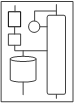
This is a collection of Aspen Plus v8.8 Simulation Files that were used to conduct the research published in Dalle Ave G, Adams TA II, "Techno-economic comparison of Acetone-Butanol-Ethanol fermentation using various extractants", Energy Conversion and Management, Volume 156, 15 January 2018, Pages 288-300. The LAPSE postprint of this work is available at LAPSE:2018.0132.
Each simulation file contains a flowsheet model of the process to recover acetone, butanol, and ethanol from the ABE fermentation broth for the following case studies:
1. Direct distillation of the ABE Broth
2. Product extraction and purification from ABE Broth using 2-Ethyl-1-Hexanol
3. Product extraction and purification from ABE Broth using Decane
4. Product extraction and purification from ABE Broth using Decanol
5. Product extraction and purification from ABE Broth using Hexanol
6. Product extraction and purification from ABE Broth using Mesitylene
7. Product extraction and purification from ABE... [more]
Each simulation file contains a flowsheet model of the process to recover acetone, butanol, and ethanol from the ABE fermentation broth for the following case studies:
1. Direct distillation of the ABE Broth
2. Product extraction and purification from ABE Broth using 2-Ethyl-1-Hexanol
3. Product extraction and purification from ABE Broth using Decane
4. Product extraction and purification from ABE Broth using Decanol
5. Product extraction and purification from ABE Broth using Hexanol
6. Product extraction and purification from ABE Broth using Mesitylene
7. Product extraction and purification from ABE... [more]
78. LAPSE:2021.0161
Production of Hydrogen Sulfide by Fermentation in Rumen and Its Impact on Health and Production of Animals
April 16, 2021 (v1)
Subject: Food & Agricultural Processes
Keywords: animal health, Fermentation, hydrogen sulfide, rumen, ruminants
Hydrogen sulfide is a Janus-faced molecule with many beneficial and toxic effects on the animal health. In ruminants, rumen fermentation plays a vital role in the digestion and absorption of nutrients. During rumen fermentation, the production of hydrogen sulfide can occur, and it can be rapidly absorbed into the body of the animals through the intestinal wall. If the production of hydrogen sulfide concentration is higher in the rumen, it can cause a toxic effect on ruminants known as poliomyelitis. The production of hydrogen sulfide depends on the population of sulfate-reducing bacteria in the rumen. In rodents, H2S maintains the normal physiology of the gastrointestinal tract and also improves the healing of the chronic gastric ulcer. In the gut, H2S regulates physiological functions such as inflammation, ischemia−reperfusion injury and motility. In this review article, we summarize the toxicity occurrence in the body of animals due to high levels of hydrogen sulfide production and a... [more]
79. LAPSE:2021.0072
Impact of Fermentation Processes on the Bioactive Profile and Health-Promoting Properties of Bee Bread, Mead and Honey Vinegar
February 22, 2021 (v1)
Subject: Food & Agricultural Processes
Keywords: bee bread, Fermentation, health benefits, honey vinegar, lactic acid bacteria, mead, volatile compounds
Recently, an increasing interest is paid to bee products obtained as a result of the fermentation process. Some of them can be consumed directly (bee-collected pollen, honey, bee bread etc.), while others are the result of lactic and/or acid fermentation (honey vinegar and honey wine). Bee bread is the result of pollens’ lactic fermentation, whereas mead is obtained by honeys’ lactic fermentation. Moreover, as a result of honey acetic acid fermentation, honey vinegar is obtained. Sensory characteristics and aroma composition have been scarcely studied, which may depend on the starter culture and fermentation process. Along with the medicinal properties they are a vital resource for future researches as they are of particular importance in the food market. In this review, we discuss the aroma-active compounds, taste, and sensorial characteristics of fermented bee products along with the approaches that can be developed for the flavor improvement based on existing technologies. Furthermo... [more]
80. LAPSE:2020.1263
Application of Novel Techniques for Monitoring Quality Changes in Meat and Fish Products during Traditional Processing Processes: Reconciling Novelty and Tradition
December 22, 2020 (v1)
Subject: Food & Agricultural Processes
Keywords: control, curing, drying, Fermentation, muscle foods, preservation, process optimization, spectroscopy
In this review, we summarize the most recent advances in monitoring changes induced in fish and other seafood, and meat and meat products, following the application of traditional processing processes by means of conventional and emerging advanced techniques. Selected examples from the literature covering relevant applications of spectroscopic methods (i.e., visible and near infrared (VIS/NIR), mid-infrared (MIR), Raman, nuclear magnetic resonance (NMR), and fluorescence) will be used to illustrate the topics covered in this review. Although a general reluctance toward using and adopting new technologies in traditional production sectors causes a relatively low interest in spectroscopic techniques, the recently published studies have pointed out that these techniques could be a powerful tool for the non-destructive monitoring and process optimization during the production of muscle food products.
81. LAPSE:2020.1019
Model-Based Process Optimization for the Production of Macrolactin D by Paenibacillus polymyxa
October 6, 2020 (v1)
Subject: Process Operations
Keywords: Fermentation, multi-model approach, NIR spectroscopy, nonlinear state estimation, online optimization
In this study, we show the successful application of different model-based approaches for the maximizing of macrolactin D production by Paenibacillus polymyxa. After four initial cultivations, a family of nonlinear dynamic biological models was determined automatically and ranked by their respective Akaike Information Criterion (AIC). The best models were then used in a multi-model setup for robust product maximization. The experimental validation shows the highest product yield attained compared with the identification runs so far. In subsequent fermentations, the online measurements of CO2 concentration, base consumption, and near-infrared spectroscopy (NIR) were used for model improvement. After model extension using expert knowledge, a single superior model could be identified. Model-based state estimation with a sigma-point Kalman filter (SPKF) was based on online measurement data, and this improved model enabled nonlinear real-time product maximization. The optimization increased... [more]
82. LAPSE:2020.0801
Production of Ethanol from Hemicellulosic Sugars of Exhausted Olive Pomace by Escherichia coli
July 2, 2020 (v1)
Subject: Food & Agricultural Processes
Keywords: acid hydrolysate, biorefinery, detoxification, Fermentation, lignocellulosic residue
Exhausted olive pomace (EOP) is the main residue generated in olive oil industries, after the extraction of the residual oil from olive pomace with hexane. This work studies the ethanol production from hemicellulosic sugars of EOP. The fermentability of the sugar solution, resulting from the acid pretreatment of EOP, was evaluated using Escherichia coli SL100, although a detoxification step was required before fermentation. Overliming and activated charcoal detoxification were tested to minimize the presence of inhibitory compounds in the hydrolysate and to achieve a fermentable medium. E. coli assimilated all sugars in both detoxified hydrolysates and achieved ethanol yields of about 90% of the theoretical one. However, the fermentation time was much shorter when the hydrolysate had been detoxified with activated charcoal (20 h versus 120 h).
83. LAPSE:2020.0741
Optimization and Scale-Up of Coffee Mucilage Fermentation for Ethanol Production
June 23, 2020 (v1)
Subject: Food & Agricultural Processes
Keywords: bioethanol, coffee mucilage, Fermentation, Saccharomyces cerevisiae, second generation biofuels
Coffee, one of the most popular food commodities and beverage ingredients worldwide, is considered as a potential source for food industry and second-generation biofuel due to its various by-products, including mucilage, husk, skin (pericarp), parchment, silver-skin, and pulp, which can be produced during the manufacturing process. A number of research studies have mainly investigated the valuable properties of brewed coffee (namely, beverage), functionalities, and its beneficial effects on cognitive and physical performances; however, other residual by-products of coffee, such as its mucilage, have rarely been studied. In this manuscript, the production of bioethanol from mucilage was performed both in shake flasks and 5 L bio-reactors. The use of coffee mucilage provided adequate fermentable sugars, primarily glucose with additional nutrient components, and it was directly fermented into ethanol using a Saccharomyces cerevisiae strain. The initial tests at the lab scale were evaluate... [more]
[Show All Keywords]
[0.09 s]